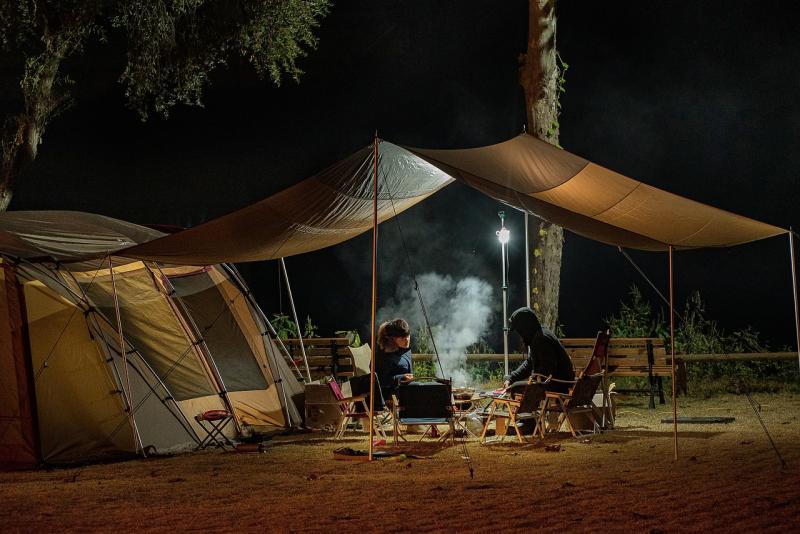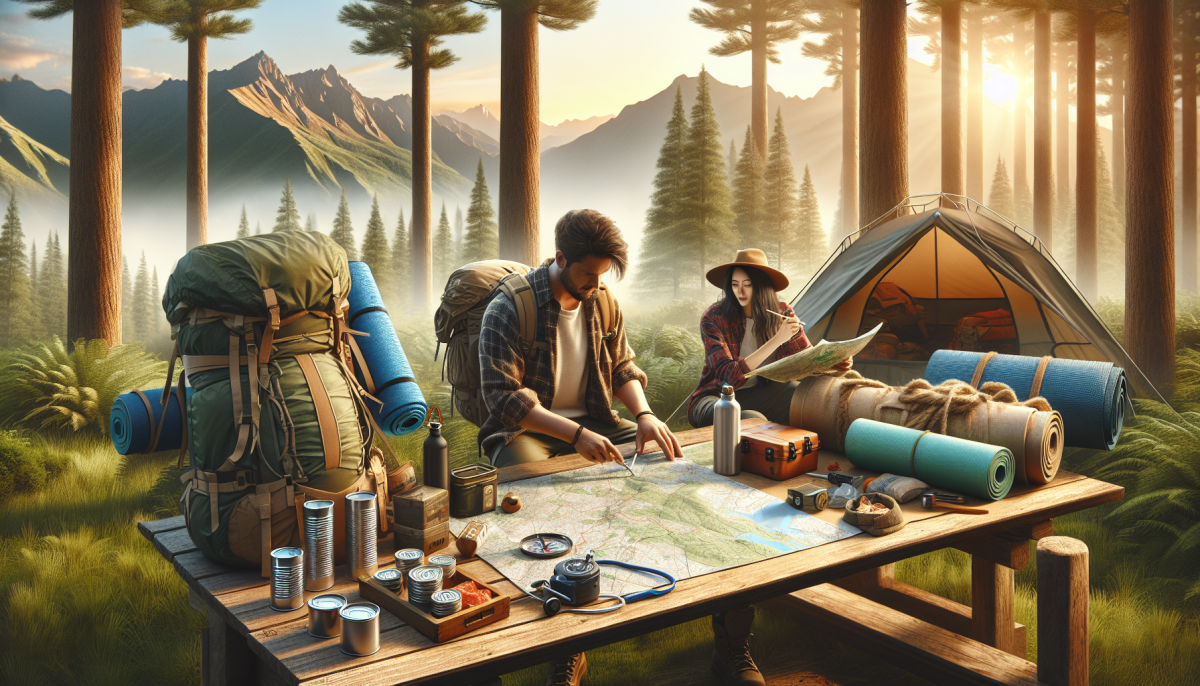
When gearing up for a camping trip, packing the right gear can make all the difference. You want to be ready for all the fun, without being weighed down by excess stuff. So let’s talk about the essentials that will keep you comfy and safe without overloading your pack.
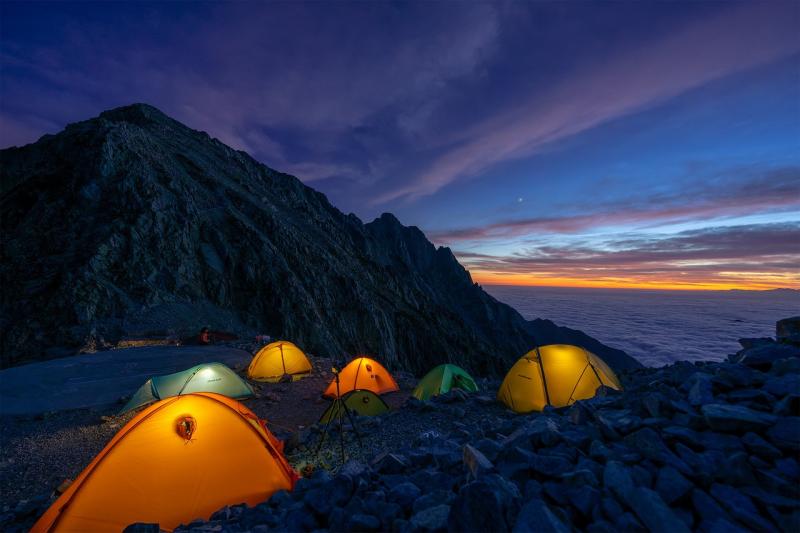
Start with a good tent. This isn’t just where you sleep; it’s your home base in the wilderness. Look for something that's easy to set up and weather-resistant. Also, don’t forget your sleeping bag! For warmth, choose one rated for the temperatures you might encounter. A sleeping pad can also add comfort and insulation from the cold ground.
Next, consider your cooking gear. A lightweight camp stove and some basic cookware will help you whip up tasty meals. Don’t forget a sturdy cooler for your food and drinks! You’ll appreciate a chilled beverage after a long hike. Plus, having some utensils, plates, and biodegradable soap is essential for cleanup!
Lastly, pack the right clothes. Layers are key, so you can adapt to changing weather. Think moisture-wicking shirts, a warm fleece, and a durable rain jacket. Sturdy hiking boots are a must, and don’t overlook a good hat and sunscreen to protect yourself from the sun when you’re out exploring!
Choosing the Perfect Campsite Location
Finding the right campsite can make or break your outdoor adventure. You want a spot that’s not just beautiful but also practical. Here are some tips to help you pick the ideal location for your camping trip.
First, think about your proximity to water. A site near a lake, river, or stream can be super convenient for cooking and cleaning. Just make sure to set up your tent at least 200 feet away from the waterline to protect local wildlife and keep your area dry in case of rain.
Next, consider the terrain. Look for flat, level ground to set up your tent. Avoid areas with dead trees or branches overhead, known as “widowmakers,” because they can unexpectedly fall. Also, check for any signs of animal activity—like paw prints or droppings—to make sure you aren’t setting up too close to wildlife paths!
Lastly, take the time of day into account. A site that gets direct sunlight in the morning can be lovely, but beware of too much sun in the afternoon. It might be a good idea to find a spot with a mix of sun and shade for added comfort. Always have an eye out for potential wind shelters, like trees or hills, to help keep your campsite cozy.
Staying Safe and Prepared Outdoors
When you're out camping, staying safe and prepared is key to enjoying your trip. The great outdoors can be unpredictable, so having the right gear can make all the difference. Start by checking the weather before you leave. Knowing what to expect can help you pack appropriately and avoid surprises.
Always carry a first aid kit. It doesn’t have to be fancy, but it should have the basics like band-aids, antiseptic wipes, and any personal medications. Accidents happen, and being ready to handle them will give you peace of mind.
Another important aspect is having a reliable means of communication. If you're going into a remote area, consider bringing a portable power bank for your phone or even a satellite phone for emergencies. It’s better to be safe than sorry, especially if something goes wrong.
Lastly, let someone know your plans. Share your itinerary with a friend or family member. This way, someone will know where to look if you don’t return on schedule. Staying safe is about preparation and being smart, so don’t skimp on these essentials!
Cooking Tips for Outdoor Dining
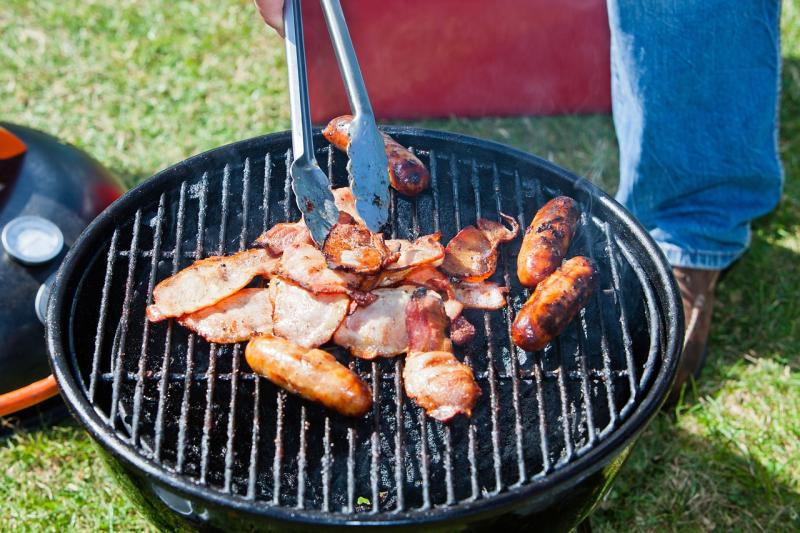
When you're planning an outdoor dining experience while camping, food prep gets a little extra fun! Here are some handy tips to make your cooking adventure seamless and enjoyable.
1. Plan Your Menu Wisely
2. Pack Smart
3. Keep Safety in Mind
Being prepared and thinking ahead can make outdoor cooking a breeze. Get ready to enjoy delicious meals under the stars!