When it comes to camping, picking the right tent size is crucial. You want to make sure it’s roomy enough for everyone and any gear you bring along. Here are a few things to keep in mind when choosing the size of your tent.
First off, think about how many people will be sleeping in the tent. Most tents come with a “sleeping capacity” label, but don’t just take that at face value. If you like a little extra room to move around or if you have big sleeping bags, you might want to go up a size. For example, if you're a group of four, consider a tent rated for six.
It’s also worth thinking about how you’ll use the tent. If you’re just sleeping in it overnight, a snug fit might be fine. But if you plan on hanging out inside during the day, you’ll want something more spacious. Overall, take your time, consider your needs, and you’ll end up with a tent that makes your outdoor adventure more enjoyable!
Understanding Types of Camping Tents
When it comes to camping, choosing the right tent can make all the difference in your outdoor experience. With so many types available, it’s easy to feel overwhelmed. Let’s break down some of the most common types of camping tents and what makes each one special.
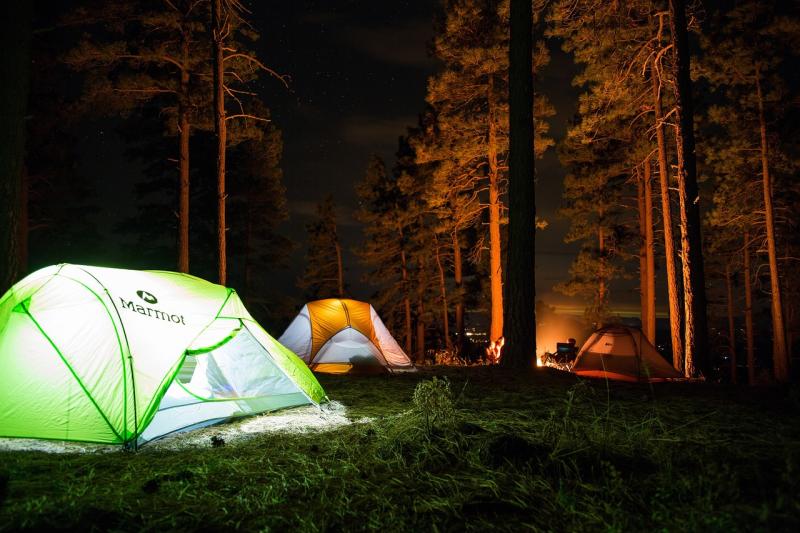
Dome Tents: These are probably the most popular choice for campers. They have a simple design with a rounded top, making them sturdy against wind and rain. They’re easy to set up, and you can find models that fit anywhere from one to six people. If you're after a balance of space and weight, a dome tent is a solid option.
Backpacking Tents: If you plan to hike to your campsite, a lightweight backpacking tent is what you want. These tents are designed to be compact and easy to carry, without skimping on protection. They’re typically designed for two people, making them perfect for solo adventures or trips with a buddy.
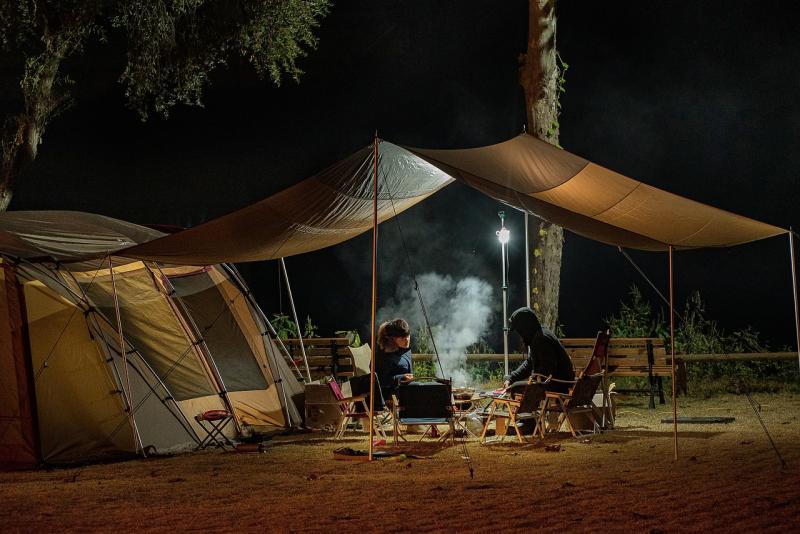
Family Tents: Got a crew with you? Family tents are spacious and can accommodate larger groups. They often have separate rooms or dividers for privacy, which is great for families. They may be bulkier, but the extra space for gear and sleeping can be worth it if you're car camping.
Rooftop Tents: If you’re looking for a unique experience, consider a rooftop tent. These attach to your vehicle and fold out when you're ready to camp. You get a great view and keep off the ground, which can be a huge plus in certain areas. Just make sure your car is compatible first!
Looking at Weather and Seasons
When you’re planning a camping trip, one of the first things to consider is the weather. Different seasons bring different conditions, and knowing what to expect helps you choose the right tent. If you’re heading out in the summer, look for tents with good ventilation to keep you cool. A tent with mesh panels can be a lifesaver during those hot nights.
Spring and fall camping can be more unpredictable. Be prepared for rain and chilly nights. A waterproof tent with a rainfly is essential to keep you dry and cozy. Opt for a tent with decent insulation as well; it keeps warmth inside when the temperatures drop.
Winter camping takes your tent choice up a notch. You’ll want a four-season tent designed to handle heavy snow and strong winds. These tents are sturdier and can keep you sheltered even in the harshest conditions. Look for features like reinforced seams and snow flaps to keep the elements at bay.
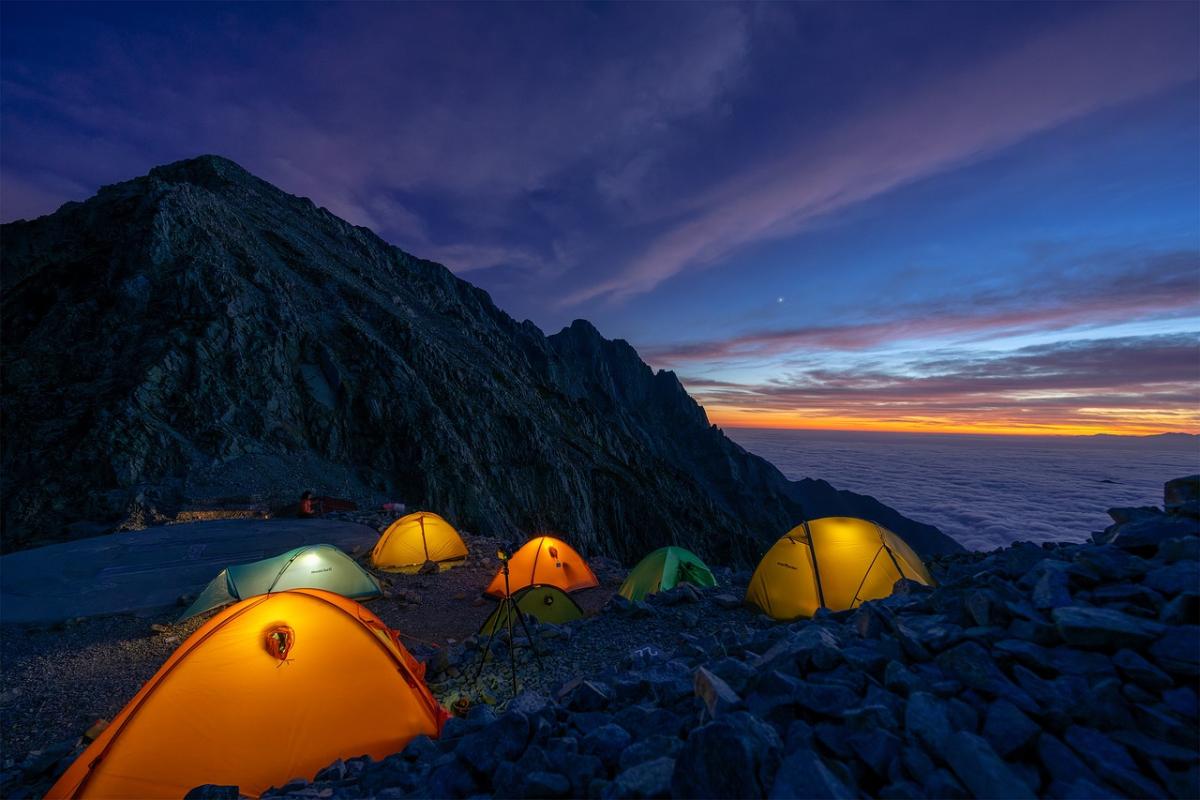
Keep in mind altitude and location too! Higher elevations can mean sudden weather changes. If you’re camping in the mountains, choose a tent that can handle gusty winds and is easy to set up quickly. Being prepared helps you enjoy your trip, no matter what Mother Nature throws your way!
Budgeting for Your Camping Tent
When it comes to picking the right camping tent, budgeting is a big piece of the puzzle. You don’t want to break the bank, but you also want to make sure you’re getting a quality tent that meets your needs. So, how do you strike that balance?
First, think about how you’ll be using your tent. Casual weekend trips? A lightweight tent that’s easy to set up and take down might be all you need. Planning longer outings or camping in harsher conditions? You might want to invest a bit more in a sturdier model that can handle the elements.
Next, consider the size of your camping crew. If you’re camping solo or with a buddy, a smaller tent will usually suffice. Families or groups may need more space, prompting you to look at larger tents which can be pricier. Make sure to factor in extra cost for comfort, like room for gear inside the tent.
Lastly, check for sales or discounts. Many stores offer great deals during the off-season, so if you can plan ahead, you can save some cash. And don’t forget to read reviews! They can help you see if a tent delivers on quality without costing a fortune.